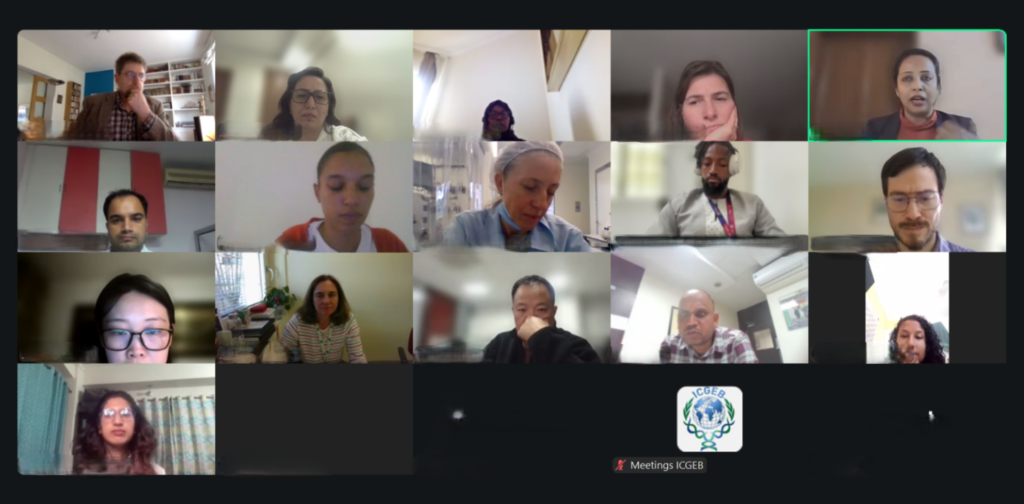
DCVMN International has officially launched the 7th edition of its Technology Transfer Training (TTT7), delivered in continued partnership with the International Centre for Genetic Engineering and Biotechnology (ICGEB), Italy. The programme began this week with its five-week virtual segment, marking the first phase of one of DCVMN’s flagship capacity-building initiatives for developing country vaccine manufacturers (DCVMs).
Technology transfer remains a cornerstone of sustainable vaccine manufacturing in developing countries. Effective transfer of know-how, processes, regulatory and legal compliance frameworks is essential not only for expanding production capacity, but also for strengthening regional self-reliance and pandemic preparedness. Through the TTT programme, DCVMN provides state-of-the-art, structured training tailored specifically to the operational realities and needs of DCVMs.
The virtual phase of TTT7 is designed to build a robust theoretical and strategic foundation before participants move into hands-on practical application. Over the course of five weeks, participants engage in interactive online modules, twice-weekly expert-led sessions, and applied assignments. The curriculum covers key components of successful technology transfer, including intellectual property considerations, GMP and regulatory requirements, vaccine process platforms, structured step-by-step transfer planning, and identification and mitigation of common challenges.
This edition brings together 10 participants from 7 DCVMN member companies, representing Bangladesh, China, India, Senegal, and South Africa. The diversity of this cohort reflects DCVMN’s continued commitment to strengthening technical expertise across regions and fostering peer exchange among manufacturers facing similar challenges.
Upon completion of the virtual segment, participants will travel to Trieste, Italy, to undertake the in-person phase of the programme at the ICGEB Biotechnology Development Unit (BDU). There, they will translate theory into practice within a GMP-like training environment, reinforcing their technical and operational competencies through hands-on learning.
By combining rigorous theoretical instruction with practical application, DCVMN’s Technology Transfer Training supports DCVMs in accelerating the adoption of new technologies, strengthening internal capabilities, and enhancing long-term manufacturing resilience. As participants progress through TTT7, they will be equipped not only to implement effective technology transfers within their own organisations, but also to disseminate knowledge internally amplifying the programme’s impact across teams, institutions, and countries.